Payments and revenue logic
Stripe checkout, webhooks, VAT handling, and the BIIAB revenue share were built into the product instead of left to manual reconciliation.
Replacing spreadsheet-based training operations with one product for bookings, payments, and reporting.
I built a multi-tenant system for BIIAB so staff and training centres could manage courses, orders, revenue, and permissions in one place instead of stitching the workflow together by hand.
Project frame
Revenue processed
GBP 100k+
User roles
5 roles with scoped access
Reporting
Live filters and CSV export in product
This product had to make finance, reporting, and centre-level management easier to trust. That meant solving the workflow, not just wrapping it in a dashboard.
BIIAB needed one system for centres, courses, orders, payments, and reporting. The interface had to stay usable for training centres while still giving internal staff a reliable picture of revenue and operations.
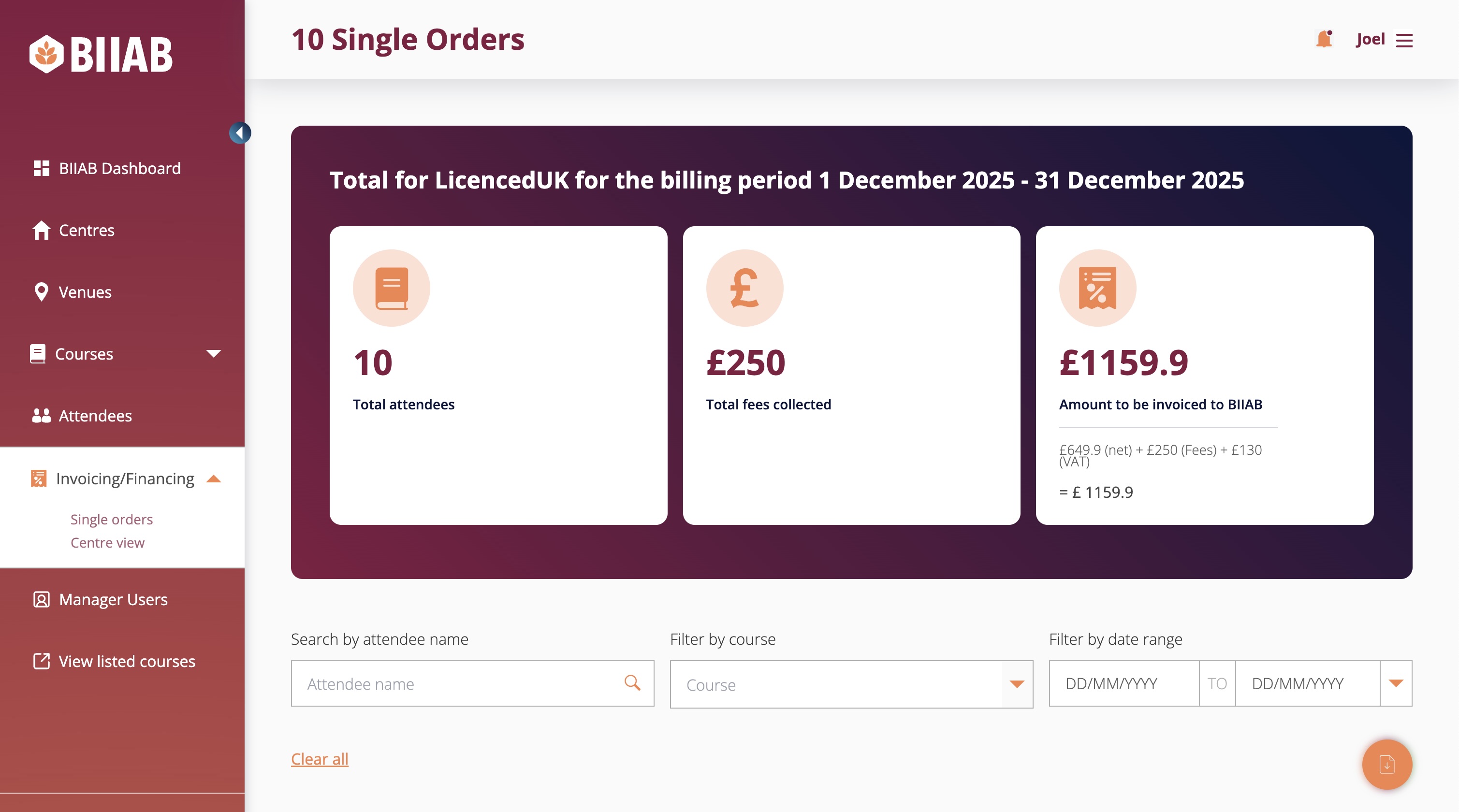
Stripe checkout, webhooks, VAT handling, and the BIIAB revenue share were built into the product instead of left to manual reconciliation.
The system supports global course templates, centre-specific delivery, role-based access, and finance-friendly reporting queries.
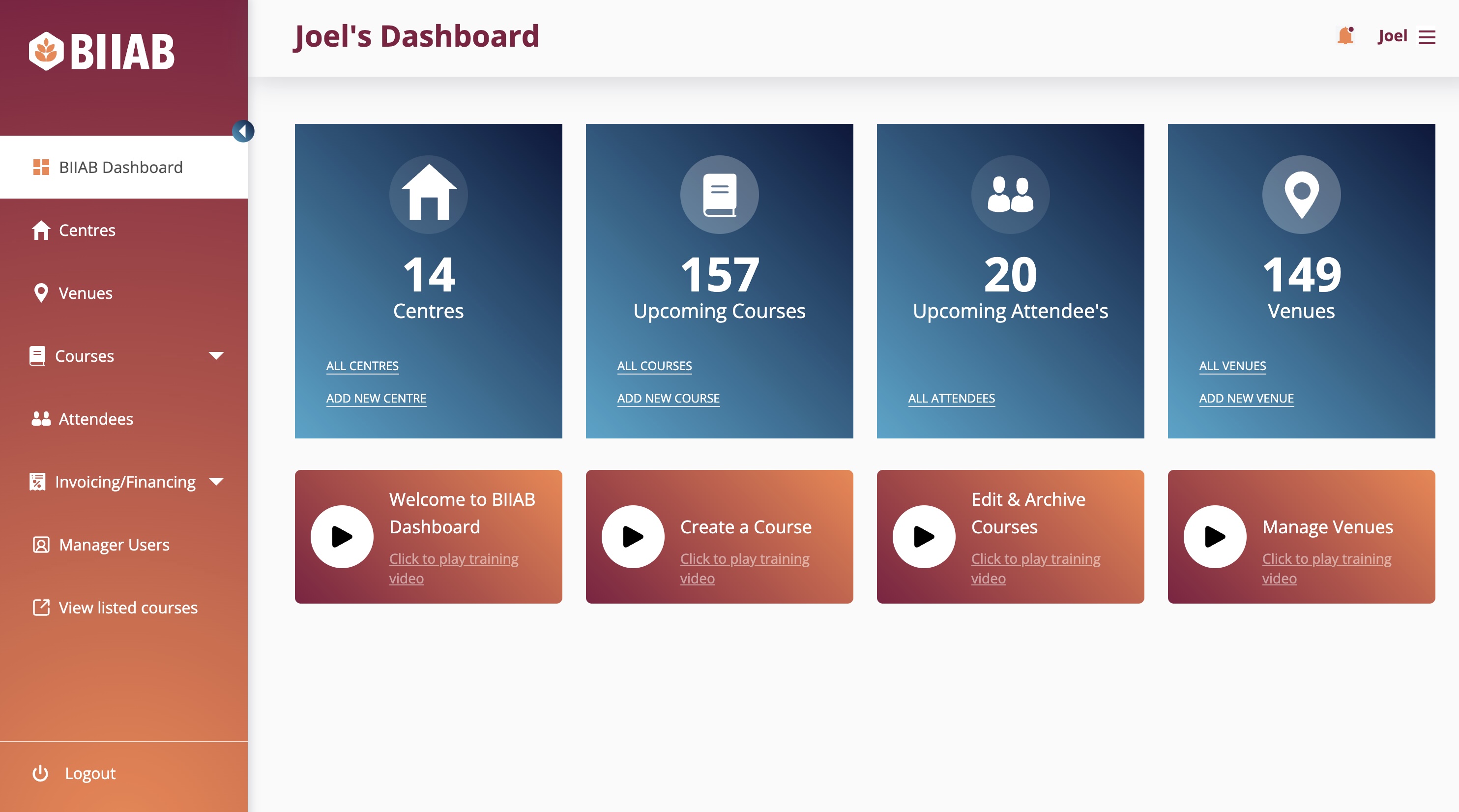
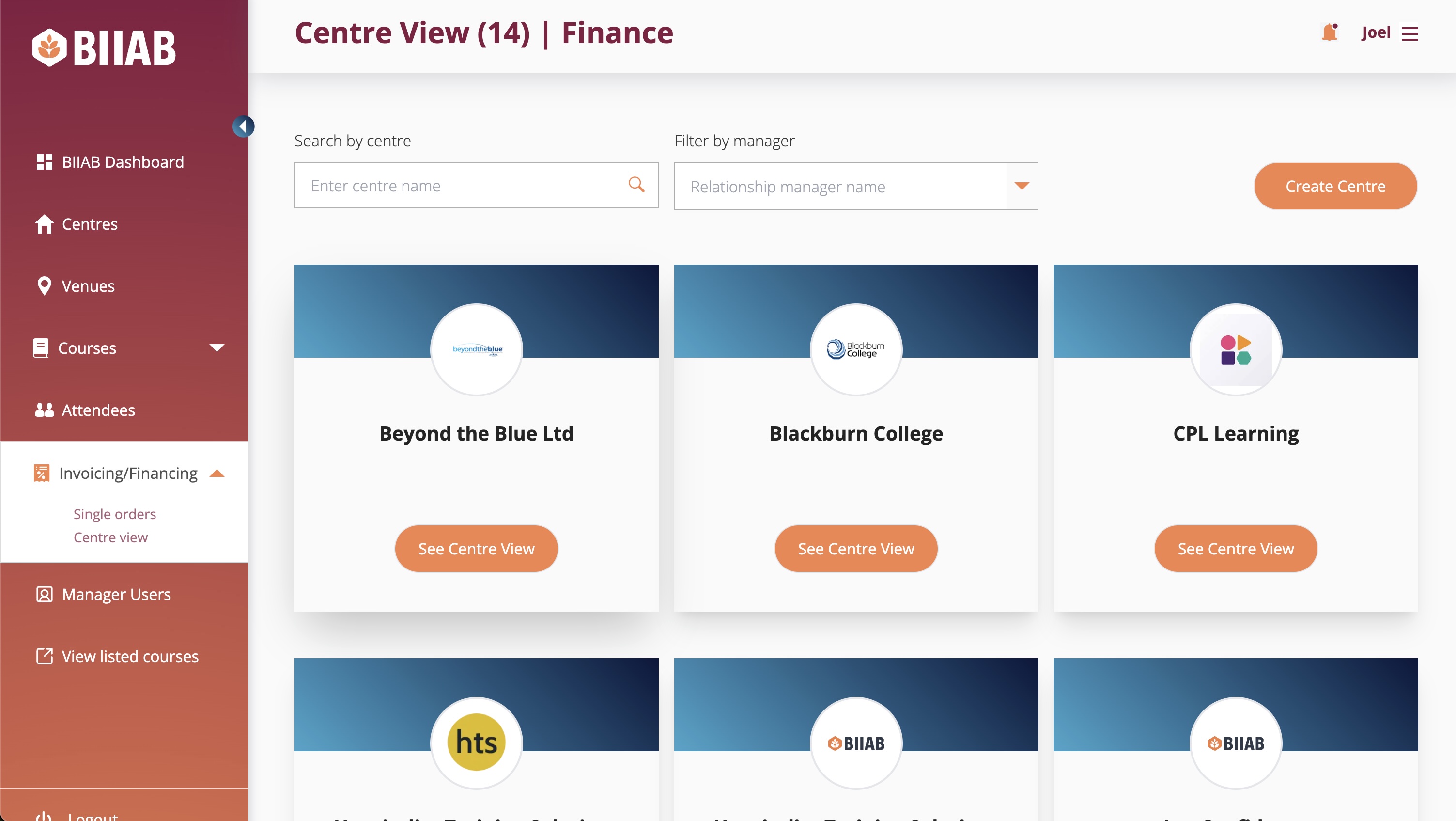
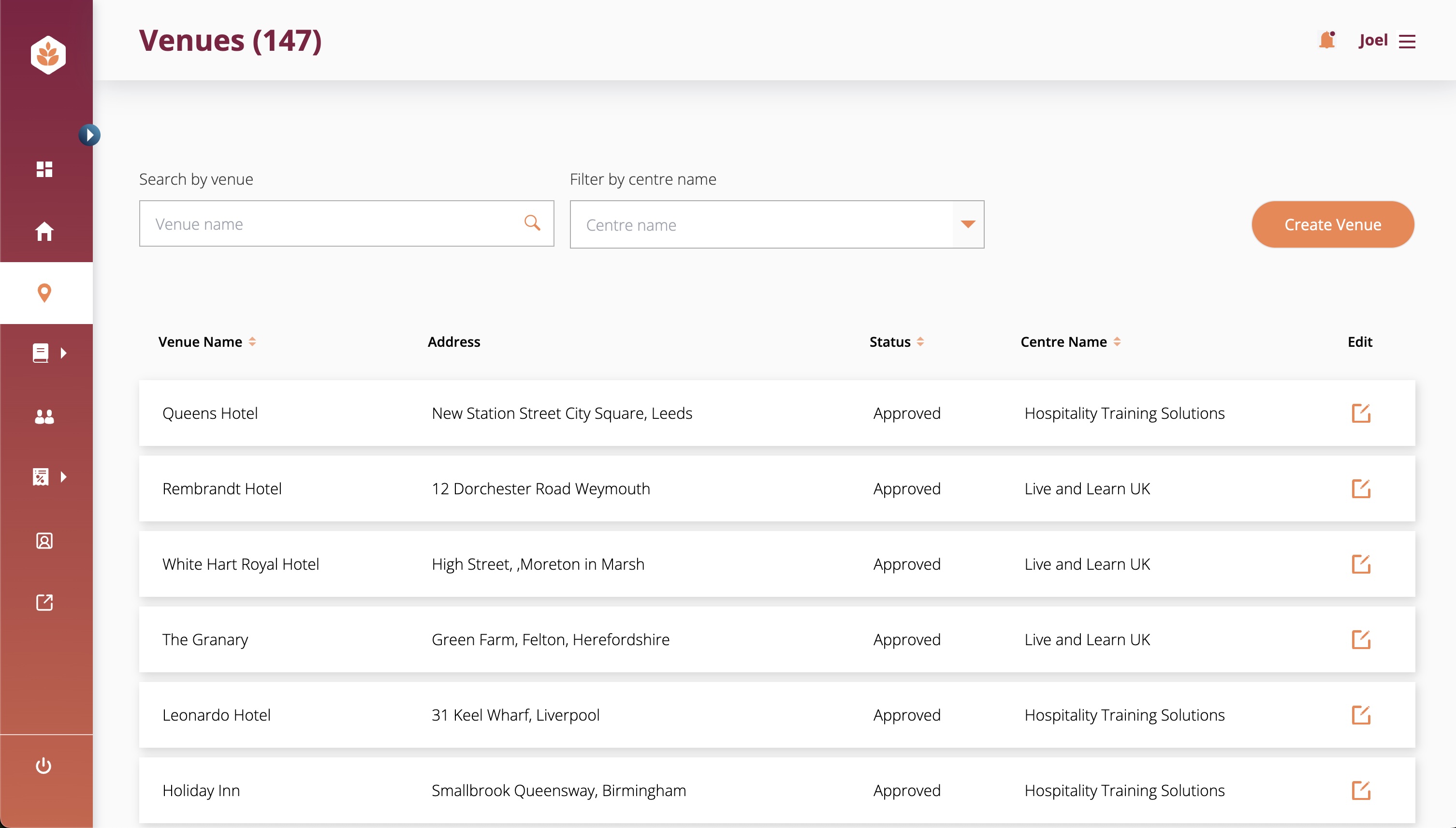
Dashboards, order detail views, and centre-level screens were designed to help staff understand what was happening without digging through exports.
Five user roles, route guards, and scoped data access let each user see what they needed without exposing the rest of the system.
Screens use sample data. The point here is the structure: what staff could see, what centres could control, and how reporting stopped living in spreadsheets.
Staff could answer finance questions faster, centres could work inside their own space, and BIIAB had a clearer picture of revenue and operational activity. The value was not just the interface. It was the reduction in manual effort behind it.
This project is a good example of the work I like most: systems-heavy product work where data, permissions, reporting, and UX all have to hold together.
Revenue processed
GBP 100k+
User roles
5 roles with scoped access
Reporting
Live filters and CSV export in product